
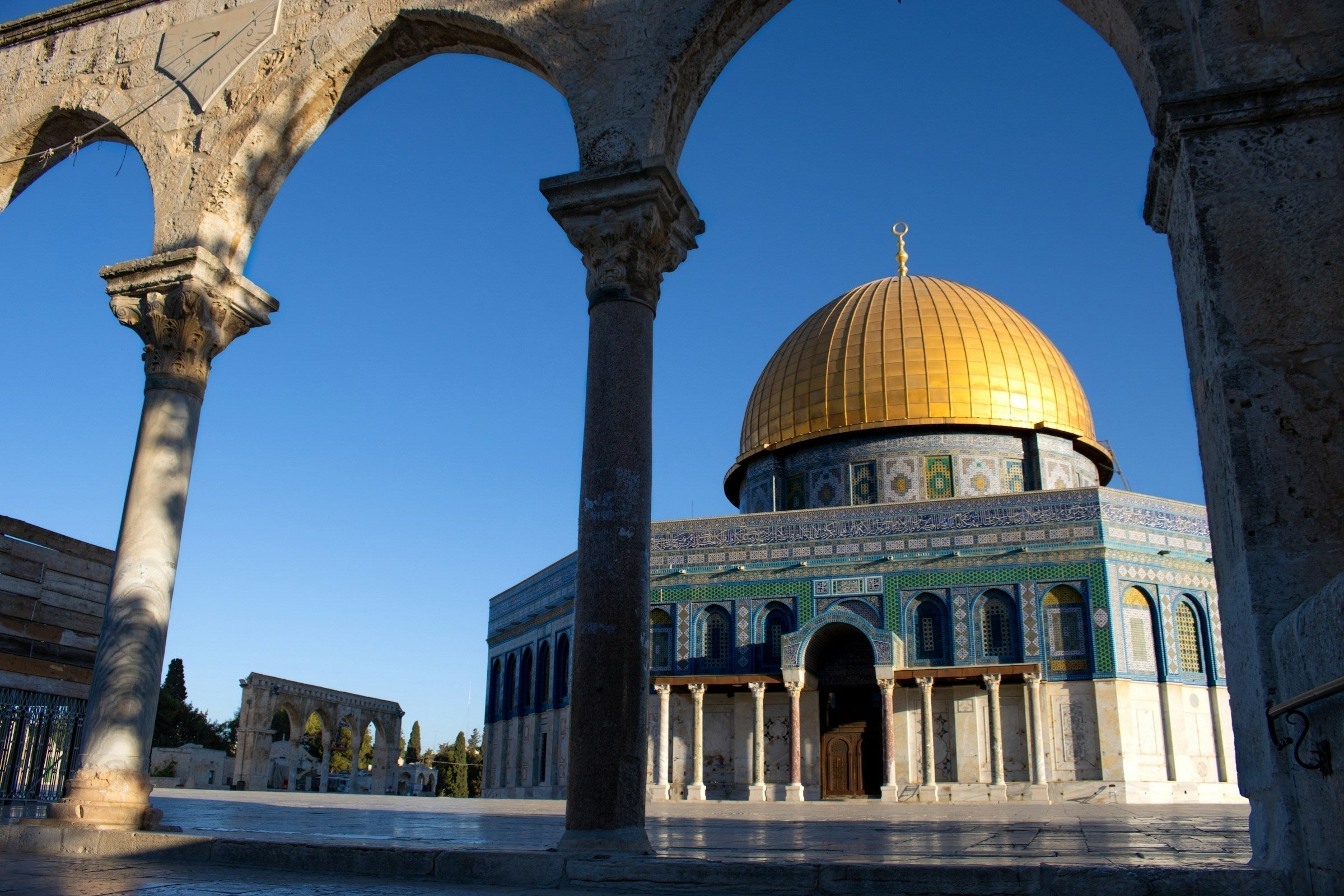
Travelling to Masjid Al-Aqsa is one of those journeys that feels different from a normal holiday. It is spiritual, emotional, historic and deeply meaningful. For many Muslims, it is a journey they have thought about for years, but sometimes the practical side can feel confusing. Is it safe? What happens at the airport? How much cash should you take? Where should you stay? Do you need an ETA?
The good news is that people continue to travel to Masjid Al-Aqsa safely, and with the right preparation, the journey is much easier than many people imagine. Of course, like with any trip, especially to a place with a sensitive political situation, you should stay updated, follow official travel advice and travel with common sense. But for many visitors, especially those who go with a trusted group or guide, the journey is smooth, manageable and incredibly rewarding.
Here are some practical travel tips for anyone thinking about visiting Masjid Al-Aqsa, or for those already booked onto a tour.
1. Give yourself enough time
You can visit Masjid Al-Aqsa on a very short trip, but if it is your first time, try not to rush it. This is not the kind of journey where you want to arrive, pray once, take a few photos and leave.
Ideally, give yourself enough time to pray in Masjid Al-Aqsa over several days, explore the Old City, visit nearby historical sites and still have unstructured time to sit, reflect and return to the masjid without constantly watching the clock.
For many first time visitors, around one week is a good balance. It gives you time for worship, learning, rest and travel. You can experience Fajr, Jumuah, quiet moments in the grounds of Masjid Al-Aqsa, the rhythm of the Old City and the wider history of Al-Quds.
2. Do UK travellers need an ETA?
As of 1 January 2025, visitors from visa exempt countries, including UK passport holders, are generally required to obtain an Electronic Travel Authorisation before travelling to Israel.
The ETA is usually valid for two years and covers visits of up to 90 days. You should apply through the official Israel Population and Immigration Authority website and always check the latest requirements before travelling, because entry rules can change.
It is also important to understand that having an ETA does not automatically guarantee entry. Border authorities can still ask questions and make decisions when you arrive.
If you are travelling as part of our group tour, we help with this process and guide you through what needs to be done before departure.
3. What happens when you arrive?
For many travellers, the airport is the part they feel most nervous about. It is common for visitors to be asked questions at border control. This does not mean you have done anything wrong.
You may be asked why you are visiting, where you are staying, how long you will be there, who arranged your trip, whether you have visited before, whether you know anyone locally and what places you plan to visit.
The best advice is simple. Answer calmly, honestly and clearly. If you are travelling to pray at Masjid Al-Aqsa and visit Jerusalem, say that. If you are joining a group tour, explain that you are travelling with a tour group and that your accommodation and return flights have been arranged.
There is no need to overcomplicate it. A simple answer is usually better than nervous overexplaining.
4. What not to do at the airport
Do not be sarcastic. Do not argue. Do not give long speeches. Do not guess answers if you do not know. Do not hide basic travel information. Do not become confrontational if you are asked the same question more than once.
Airport environments can be tiring, especially after a long flight, but staying calm makes a big difference. Keep your documents organised, know where you are staying and make sure your phone has enough charge before landing.
Sometimes travellers may be delayed for additional questions. This can feel stressful, but try to remain patient. If you are travelling with a group, your organiser should wait where possible and support the situation.
5. Should you mention Masjid Al-Aqsa?
Yes. You should be honest about your journey.
If you are travelling to pray at Masjid Al-Aqsa and visit Jerusalem, say that clearly. There is no need to act like you are going for another reason. Religious tourism is a normal reason to travel, and many Muslims visit Jerusalem for this purpose.
The key is to be calm, clear and consistent.
6. Why travelling with a guided group can help
Some people are comfortable arranging everything independently. Others prefer to travel with a group, a guide, reminders, structured visits and support from start to finish.
Our Masjid Al-Aqsa tours are designed for people who want to visit with knowledge, care and companionship. The journey usually includes flights, accommodation, local transport, guided visits, reminders, practical support and time inside Masjid Al-Aqsa itself.
The aim is not just to visit, but to understand where you are standing and why it matters.
For many first time visitors, a guided group can also reduce anxiety around the airport, transport, timings, local etiquette and navigating the Old City. A good tour organiser should provide pre-travel advice, document checks, a clear itinerary, contact numbers and guidance on how to answer basic airport questions honestly and calmly.
7. Where should you stay?
One of the main things to think about is whether to stay inside the Old City or just outside it.
Staying inside the Old City can feel atmospheric and special. You are close to the lanes, markets, gates and daily rhythm of Al-Quds. You can often walk to Masjid Al-Aqsa easily, and that closeness can make the journey feel even more meaningful.
However, hotels and rooms inside the Old City can sometimes be simpler, and access with luggage may be more difficult because of the narrow streets and limited vehicle access.
Staying just outside the Old City can sometimes offer easier transport access, more hotel facilities and still keep you close enough to walk to Masjid Al-Aqsa. For many groups, this is a practical balance.
The most important thing is to check walking distance, access to the gates, hotel quality and how easy it will be for you to attend prayers.
8. How much money should you take?
You do not need to carry huge amounts of cash. ATMs are widely available, and in many places you can use your bank card to pay. It is still useful to carry some cash for smaller shops, local food, taxis, tips and markets.
If you are carrying 50,000 Israeli shekels or more, or the equivalent in another currency, this must usually be reported when entering or leaving through border crossings. Most travellers will not be carrying anywhere near that amount, but it is useful to know the rule.
UK travellers should also remember that if you take £10,000 or more in cash out of Great Britain, or the equivalent in another currency, you must declare it.
For most people, a sensible mix is best: some cash, a working bank card and a backup card if possible.
9. Can you use your card there?
Yes, card payments are common in many places, especially hotels, larger shops, restaurants and tourist areas. That said, small shops, street vendors and taxis may prefer cash.
Before travelling, tell your bank you are going abroad if your bank requires it, and check whether your card charges foreign transaction fees. A travel card or fee-free card can be useful.
10. Bring a prayer mat
A prayer mat is very useful, especially on Jumuah when Masjid Al-Aqsa can become very busy. You may also want to pray in the open areas of Masjid Al-Aqsa, or sit outdoors for a while.
Even outside of prayer times, having a small foldable prayer mat gives you comfort and flexibility. It is one of those small items that makes a big difference.
11. Phone data and eSIM
Having mobile data makes the journey much easier. You can use maps, contact your group, message family, check timings and stay connected.
An eSIM is one of the easiest options if your phone supports it. Airalo is a popular choice and is usually simple to set up before you travel. You can use this link to get $3 off your first purchase: ref.airalo.com/JCfK
Make sure you install and test your eSIM before you travel, or at least before you leave the airport WiFi.
12. Plugs and charging
In Jerusalem, Type H plugs are commonly used. A universal travel adaptor is the easiest option, especially if you travel often.
It is also worth bringing a small extension lead or multi-port USB charger. Hotel rooms may not always have enough sockets, especially if you are charging phones, cameras, power banks, watches and other devices.
Before landing, make sure your phone is charged. You may need it for messages, hotel details, contact numbers or travel documents.
13. Keep your documents organised
Before you travel, keep your key documents in one place. This includes your passport, ETA confirmation, return flight details, hotel booking, travel insurance, tour itinerary and emergency contact numbers.
It is also a good idea to have both digital and printed copies. Your phone is useful, but batteries die, apps crash and airport WiFi is not always reliable.
If you are joining a group tour, your organiser should tell you exactly what documents you need and check the important details before departure.
14. Respect the place you are visiting
Masjid Al-Aqsa is not just a tourist attraction. It is a living place of worship, history and sacred memory. Go with adab. Dress modestly, be respectful with your camera, avoid disturbing worshippers and remember why you came.
There will be moments where you naturally want to film and take photos, especially if it is your first time. That is understandable. But also give yourself time without the camera. Sit quietly. Pray. Look around. Take it in.
Some of the most powerful moments in Masjid Al-Aqsa are not the ones you record. They are the ones you actually experience.
15. Be prepared for lots of walking
Jerusalem involves walking. The Old City has steps, slopes, stone streets, narrow lanes and uneven surfaces. Comfortable footwear is essential.
Do not bring brand new shoes that you have never worn before. Bring something comfortable, practical and suitable for long days. If you struggle with walking, let your tour organiser know in advance so they can advise you properly.
16. Stay updated, but do not panic
Jerusalem is a sensitive place, and the wider situation can change. That does not mean you should automatically be afraid to travel, but it does mean you should stay informed.
Check official travel advice before departure, listen to your local guides, follow instructions and avoid unnecessary risks. If you are travelling with a group, your organiser should be monitoring the situation and advising you accordingly.
It is safe to travel to Masjid Al-Aqsa when the journey is planned carefully, the situation is being monitored and you travel responsibly.
17. Go with the right intention
Practical preparation is important, but the most important preparation is your intention.
You are not just visiting a historic city. You are travelling to one of the most sacred places in Islam. Masjid Al-Aqsa is connected to the Qur’an, the Prophets, the first qiblah, the Night Journey and generations of Muslims who loved and served this place.
Go with humility. Go with gratitude. Go ready to learn.
And when you finally enter Masjid Al-Aqsa, slow down. You are standing somewhere Muslims have spoken about, prayed towards, longed for and defended in their hearts for centuries.
May Allah allow us to visit with sincerity, accept our prayers there and make us people who honour Masjid Al-Aqsa properly.

Share:
Praying Towards Masjid Al-Aqsa In Madinah
The Virtues of Travelling to Masjid Al-Aqsa